DiDoc – Información académica
La vida Universitaria puede ser compleja y a veces tanta información nos confunde.
Em esta página te entregamos solo lo mas importante y algunos datos que no encontrarás en otro lugar
Sissi Manríquez Navarrete
Ver más keyboard_arrow_down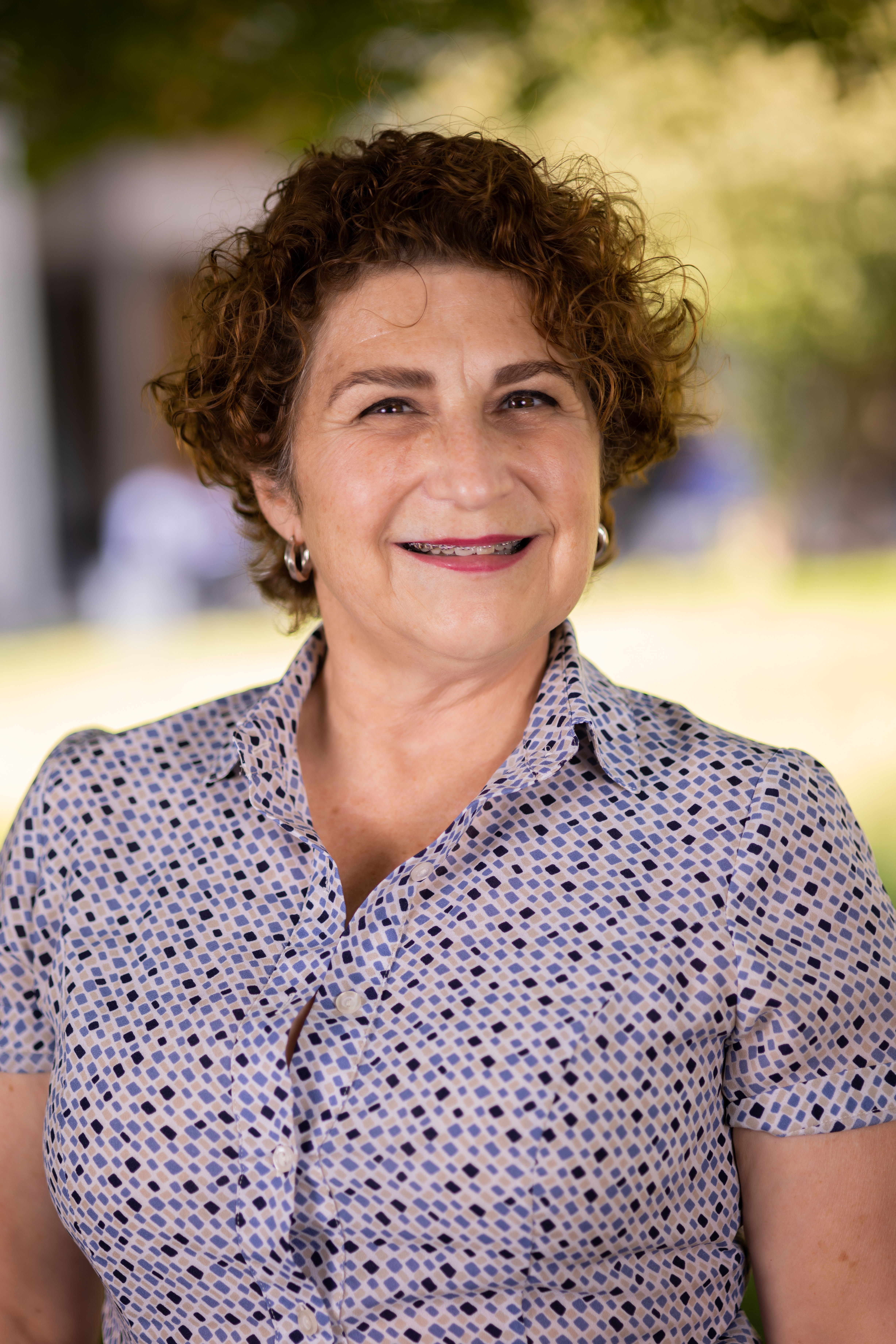
Asistente de Docencia y Asuntos Estudiantiles
- 223547879
- smanriqu@uc.cl
- Recepción de observaciones a la ficha
- Recepción y gestión de notas P
- Monitoreo y gestión del proceso de calificación semestral
- Control y seguimiento curricular de los alumnos regulares en situación de egreso
- Realización de los trámites relativos al egreso y titulación de los alumnos
- Realización del proceso de notificación de título, promedios, y trámites relativos al proceso (recopilación de antecedentes)
- Atención de público en general, sobre los procesos de la UC
Viviana Castro Monsalves
Ver más keyboard_arrow_down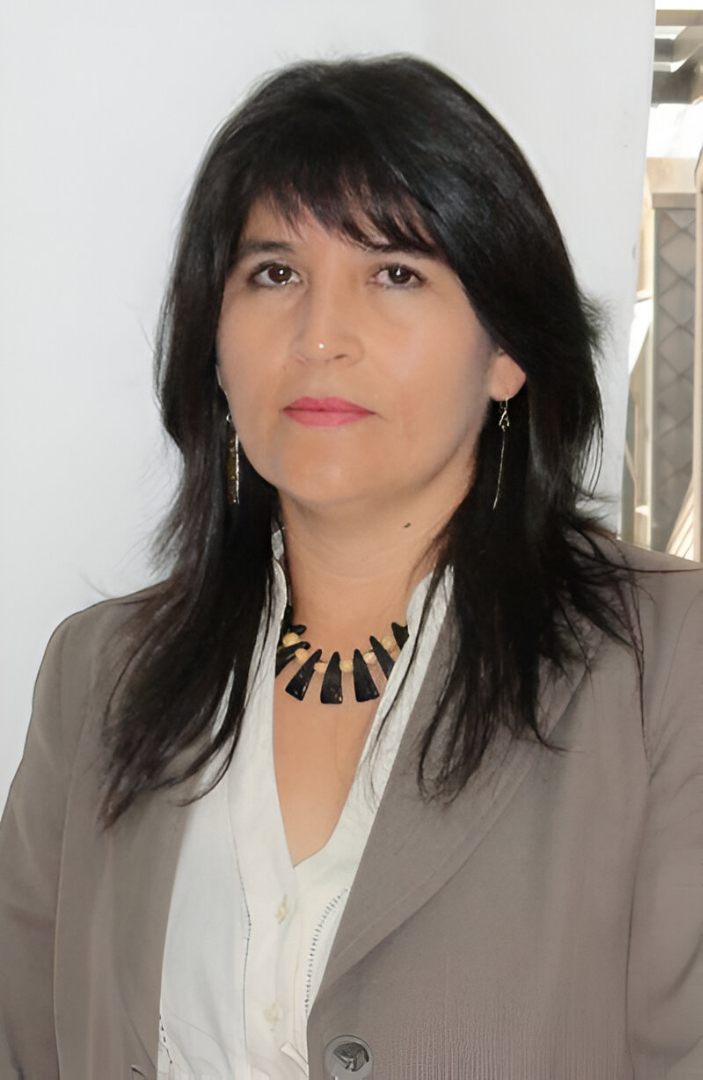
Secretaria de la Dirección de Docencia y Asuntos Estudiantiles
- 223547993
- viviana.castro@uc.cl
- Registro, de inasistencias de alumnos respaldadas por certificados médicos pertinentes
- Labores administrativas vinculadas al llamado a concurso de ayudantes
- Solicitud de salas/ espacios físicos
- Procesos administrativos y de gestión vinculados al proceso de convalidaciones del requisito de Inglés
- Elaboración de constancias y certificación de programas
- Gestión administrativa y comunicacional del proceso de Admisión Especial y vías de Equidad
- Atención de alumnos, profesores y público en general (teléfono, email, presencial)
Loreto Córdova Fuenzalida
Ver más keyboard_arrow_down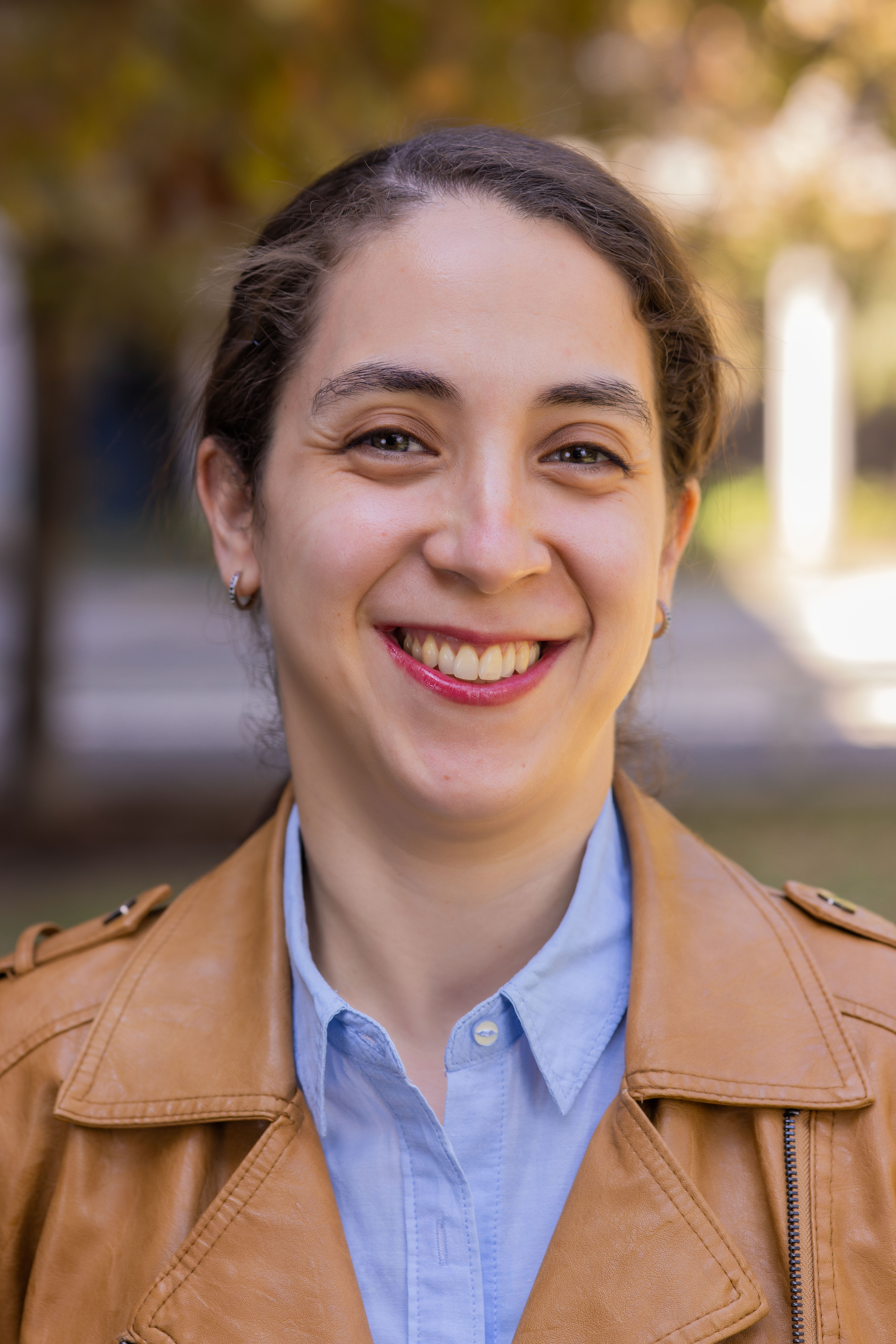
Subdirectora Académica y de Asuntos Estudiantiles
- 223547441- +56994797410
- lcordovaf@uc.cl
- Convalidaciones
- Anulación de estudios
- Suspensión por salud
- Reintegros
- Solicitud de aumento de créditos
- Inscripción de cursos y solicitudes excepcionales
- Realización de la programación académica de cada semestre (confirmar cursos, horarios y docentes) para ingresar a la plataforma Banner
- Coordinación equipo tutores pares
- Información de certificados académicos para alumnos de otras unidades
- Revisión de la malla curricular para los alumnos y alumnas que necesitan saber su estado de avance.
- Administración del proceso de evaluación de antecedentes para admisión especial y vías de equidad.
- Solicitud de programas de alumnos que prosiguen sus estudios en el extranjero.
- Entrevista personal con alumnos que incurren en alerta académica.
- Citación de alumnos a entrevista personal.
- Orientación y seguimiento a estudiantes que presentan dificultades.
Temáticas investigación y research II-2026.
Ver más keyboard_arrow_downDepartamento de Literatura
Curso: Investigación en Literatura II (LET160T)
Prof. Magda Sepúlveda
Este seminario de investigación busca proporcionar elementos para que los y las alumnas analicen textos poéticos y textos de arte que mezclan diversos formatos, desde un marco teórico que recoge fundamentalmente las perspectivas de Rancière, Didi- Huberman y el poshumanismo y que estudiaremos juntos. De acuerdo a los intereses de les alumnes se incorporarán otras perspectivas de análisis. Les estudiantes pueden elegir su propio material de estudio, desde poemas hasta grafittis e instalaciones. También pueden continuar con los corpus que provengan de Investigación I. En todos los objetos elegidos, nos animará la pregunta: ¿cómo el arte interpreta el mundo? El resultado final de Investigación II será un ensayo de alrededor de once páginas y un power point que resuma el ensayo y que se expondrá en una invitación abierta a amigos y padres.
Prof. Pablo Concha
El curso tiene como centro la reflexión en torno a obras y procesos de la literatura latinoamericana de los siglos XIX y XX, con un énfasis no excluyente en la narrativa, la ensayística y la historia cultural. Desde una perspectiva sociohistóricamente situada, se propone acometer el análisis e interpretación del objeto de estudio que cada estudiante determine dando prioridad a metodologías de lectura cercana (retórico-conceptual), a la consideración de documentos de archivo y a las cualidades materiales de los impresos (texto y gráfica). Entre los problemas que competen al curso se encuentran los de construcción de subjetividades, otredades culturales, identidad latinoamericana, traducción, recepción, redes literarias, edición y crítica genética, ya sea a escala local, regional o mundial.
Prof. Felipe Toro
El objetivo del curso será completar la escritura de un artículo o ensayo académico (o una ponencia para presentar a un congreso). El curso no tiene un tema o una línea de investigación predeterminada de antemano, ni se restringe a un área particular de los estudios literarios, sino que se espera que los temas o problemas que se aborden en sus ensayos (artículos) surjan de la inquietud y curiosidad propia del estudiantado y del diálogo entre pares y el profesor. Para su discernimiento, las líneas de investigación del profesor, en caso de que existan intereses comunes o áreas en las que consideran que pueda apoyar de manera más directa a sus necesidades particulares: (a) narrativa chilena e hispanoamericana moderna y contemporánea; (b) literatura comparada; (c) diálogos intermediales (literatura y pintura; literatura y cine; literatura y performance).
Prof. Rubí Carreño
A través del desarrollo del curso el/la estudiante realizará una investigación en el área disciplinar de la literatura conducente a la escritura de un texto ensayístico académico de entre 8 y 12 páginas. Este ensayo puede corresponder tanto al proyecto realizado en el semestre anterior como también uno nuevo. El curso aportará las herramientas teórico-metodológicas para descubrir las líneas de investigación personales y desarrollarlas a través de una investigación breve y escribir los resultados en un texto ensayístico académico que será presentado en un coloquio organizado por los y las estudiantes al finalizar el semestre.
Prof. Loreto Casanueva
El presente seminario propone darle continuidad y seguimiento al proyecto de tesis formulado en el contexto del curso "Investigación en Literatura I" y la sección de Francisco Burdiles, cuyo eje fue el problema de la imitación poética y la intertextualidad. En ese sentido, este seminario busca, en primer lugar, retomar tal proyecto con el fin de identificar sus fortalezas y posibilidades de mejora y, en segundo lugar, emprender su desarrollo definitivo, el que tendrá como principales hitos la propuesta de un índice tentativo de capítulos, la planificación a través de una carta Gantt y el el análisis literario propiamente tal.
Departamento Cs del Lenguaje
Curso: Investigación en Linguística II (LET160N)
Prof. Gloria Toledo
La investigación en Lingüística II se centra en el análisis del uso del lenguaje en contextos digitales y educativos. Aborda la ciberpragmática y la empatía, examinando cómo los hablantes construyen significado e interpretan las emociones en entornos virtuales. Asimismo, se estudiará la descortesía en grupos de adhesión en X. Finalmente, se podrán explorar las relaciones de coherencia en la escritura en español como lengua adicional, considerando los mecanismos lingüísticos que permiten la organización y la continuidad temática del texto. Estas líneas articulan enfoques pragmáticos, discursivos y aplicados a la enseñanza de lenguas.
Prof. Margarita Vidal
Este curso tiene como resultado de aprendizaje general que los estudiantes desarrollen habilidades fundamentales para la realización de investigaciones lingüísticas originales y relevantes. El curso se fundamenta en los ámbitos de los estudios del discurso y de los estudios críticos del discurso. El curso tendrá una modalidad de seminario, en la que las y los estudiantes deberán realizar trabajo autónomo con la guía de la profesora. Las evaluaciones incluyen entregas progresivas de un informe de investigación escrito y una defensa final oral.
Prof. Soledad Aravena
Este curso se orienta hacia los estudios de psicolingüística evolutiva, en particular, hacia el desarrollo del lenguaje oral y escrito en preescolares y estudiantes de la etapa escolar y de la educación superior.
El objetivo principal de este curso es terminar de recoger todos los datos establecidos en el proyecto de investigación escrito durante el primer semestre, implementar los análisis de acuerdo con lo planificado y escribir los resultados y conclusiones de la investigación.
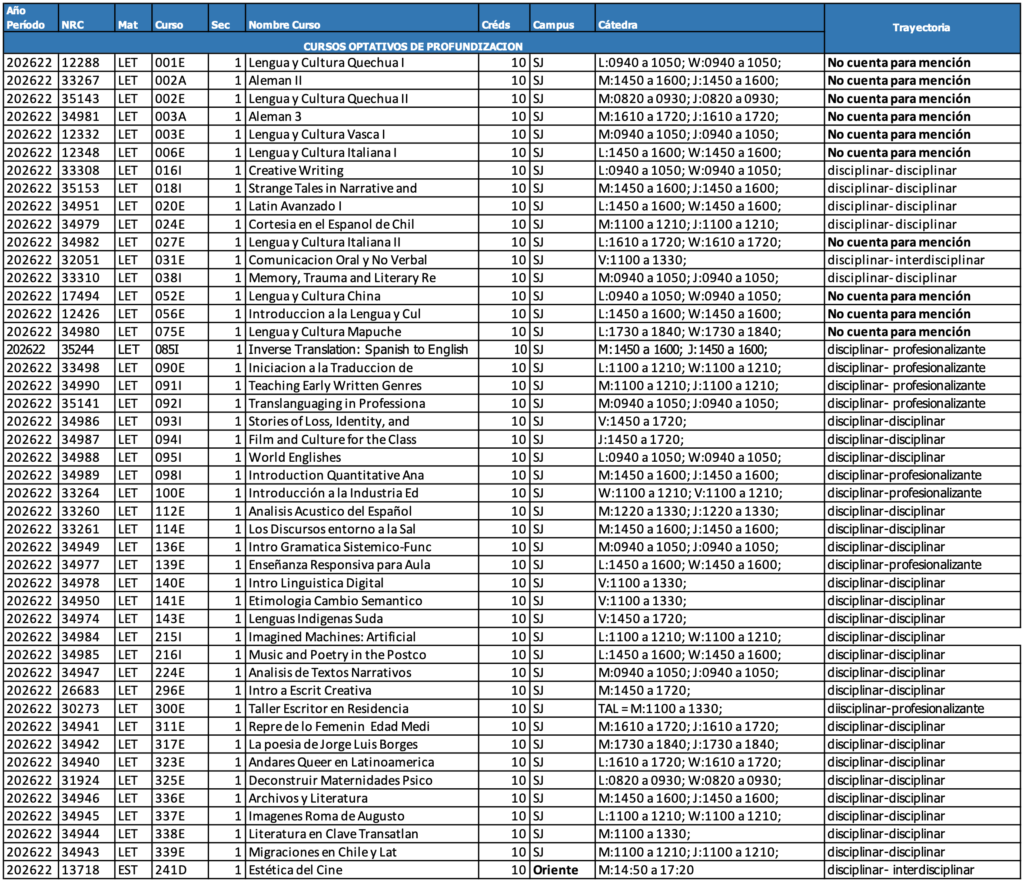
Escritor en Residencia
Ver más keyboard_arrow_down2do. semestre 2026
Oscar Contardo
Periodista y escritor. Estudió periodismo en la Universidad de Chile y ha participado de los talleres de la Fundación Nuevo Periodismo Iberoamericano sobre periodismo cultural. Es columnista de Reportajes de La Tercera, y ha colaborado con las revistas Sábado y Gatopardo de México.
| Año Período | Nivel | NRC | Mat | Curso | Sec | Nombre Curso | Créds | Campus | Vacs Ofre | Horario | Apellido Paterno Profesor | Nombre Profesor |
| 202622 | Pregrado | 30273 | LET | 300E | 1 | TALL Escritor en Residencia | 10 | SJ | 19 | M:1100 a 1330; | Contardo | Oscar |
Malla curricular admisión 2021 y anteriores
Ver más keyboard_arrow_downLicenciatura en Letras con mención en Lingüística y Literatura Hispánicas
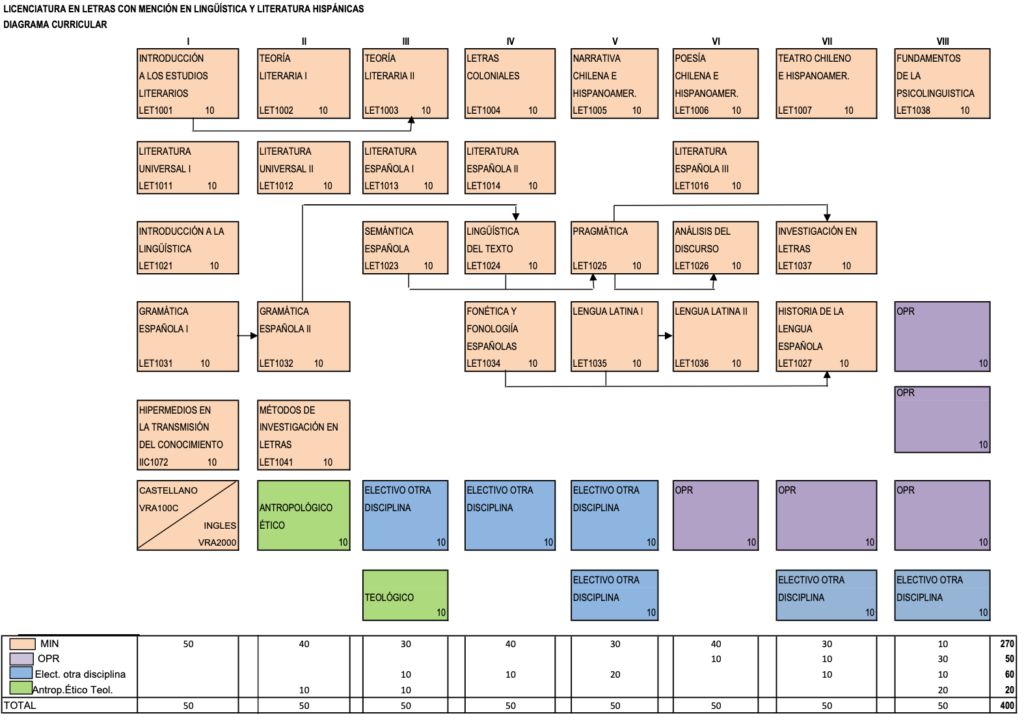
Licenciatura en Letras con mención en Lingüística y Literatura Inglesas
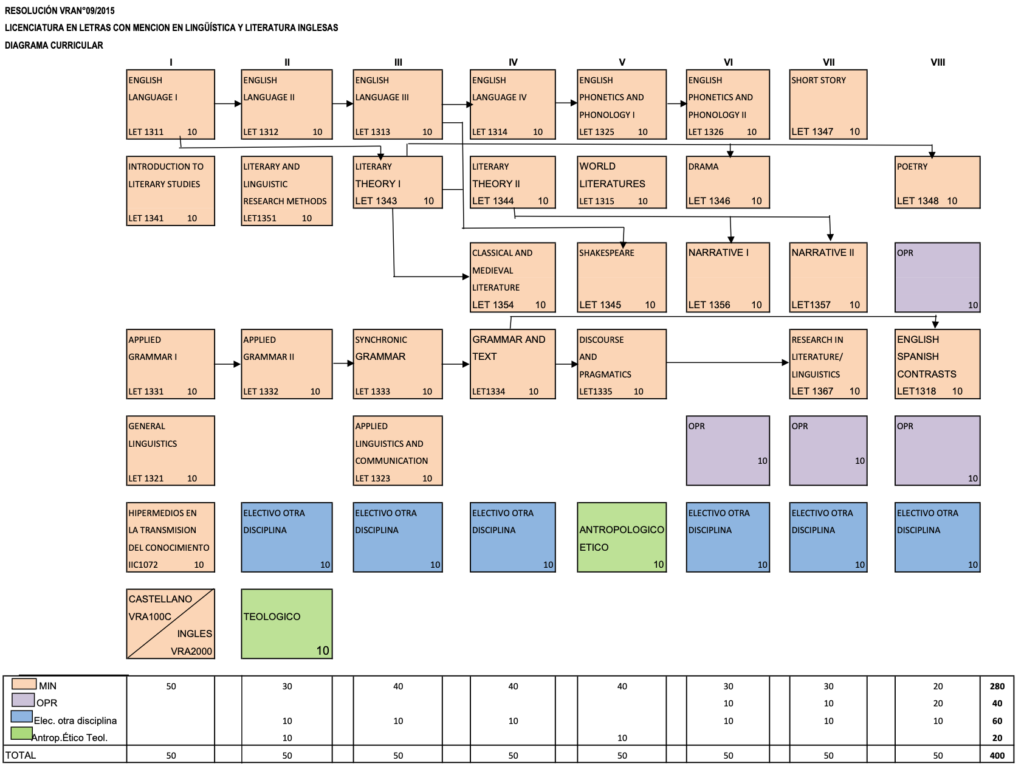
Malla curricular admisión 2022 Letras Hispánicas
Ver más keyboard_arrow_downLicenciatura en Letras Hispánicas mención Literatura
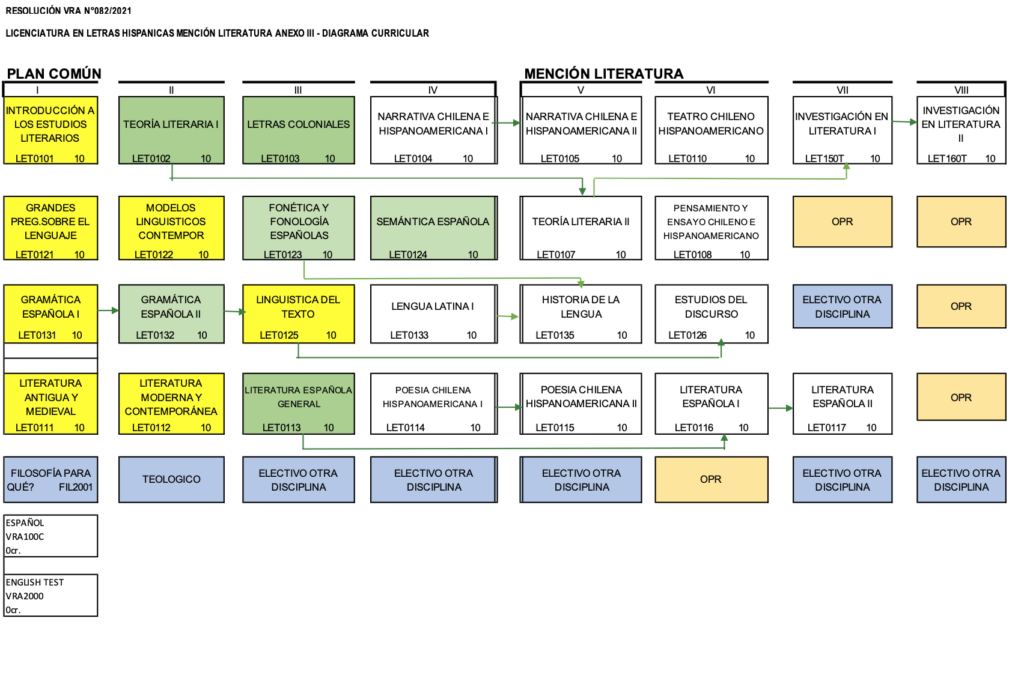
Licenciatura en Letras Hispánicas mención Lingüística
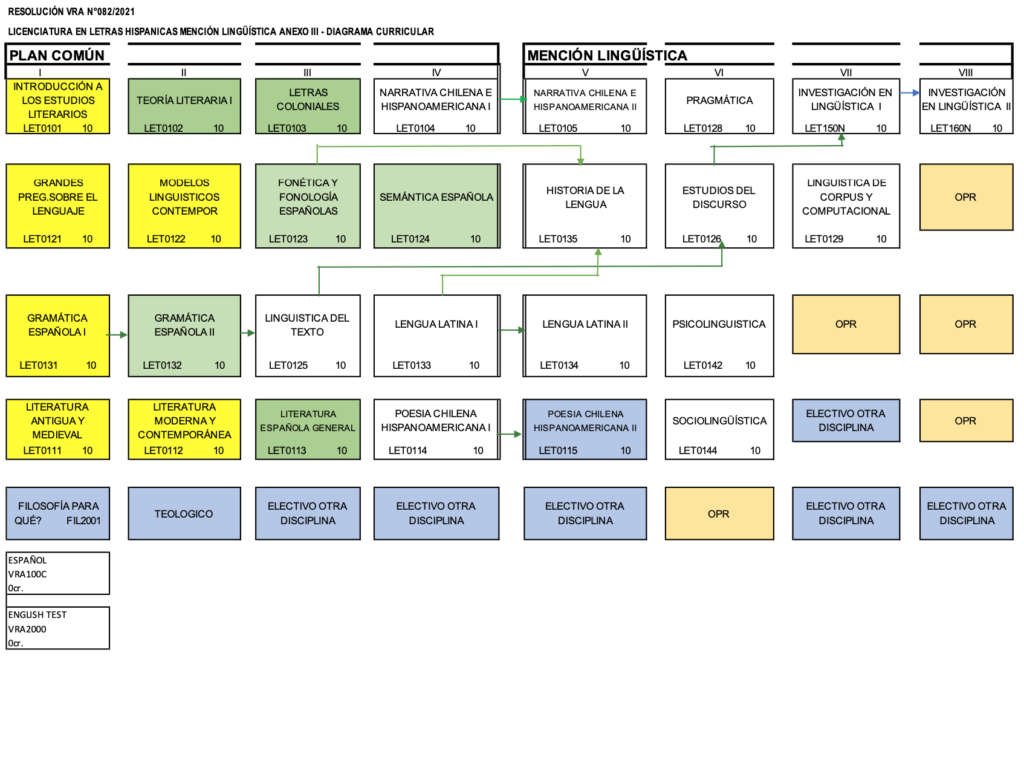
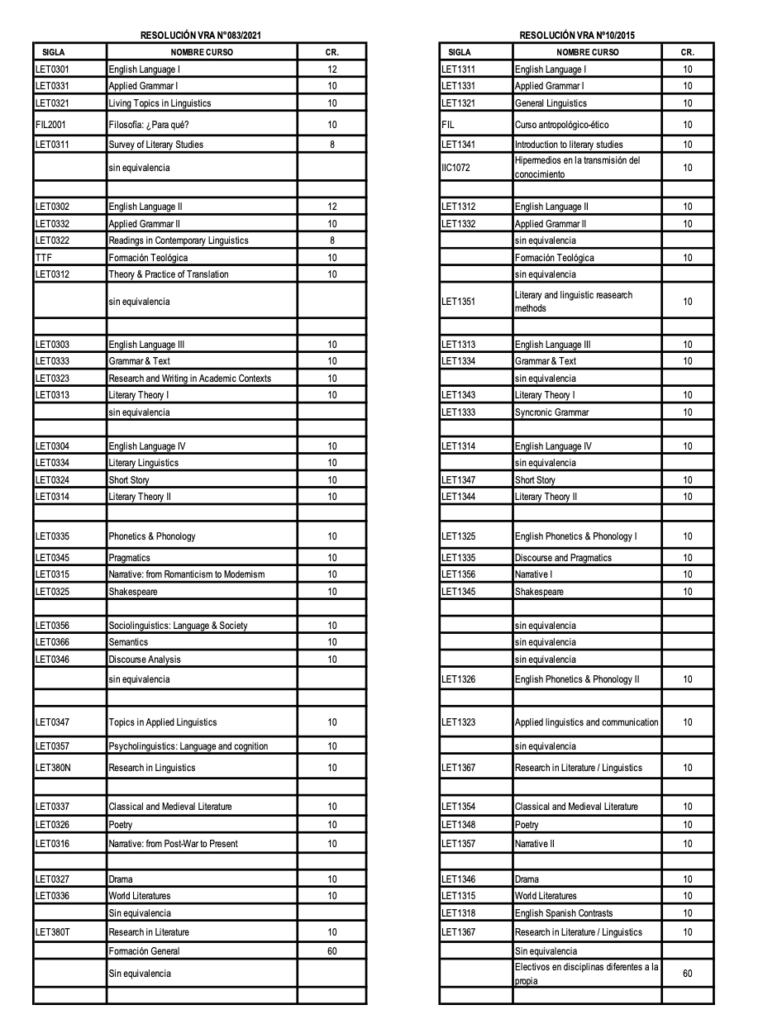
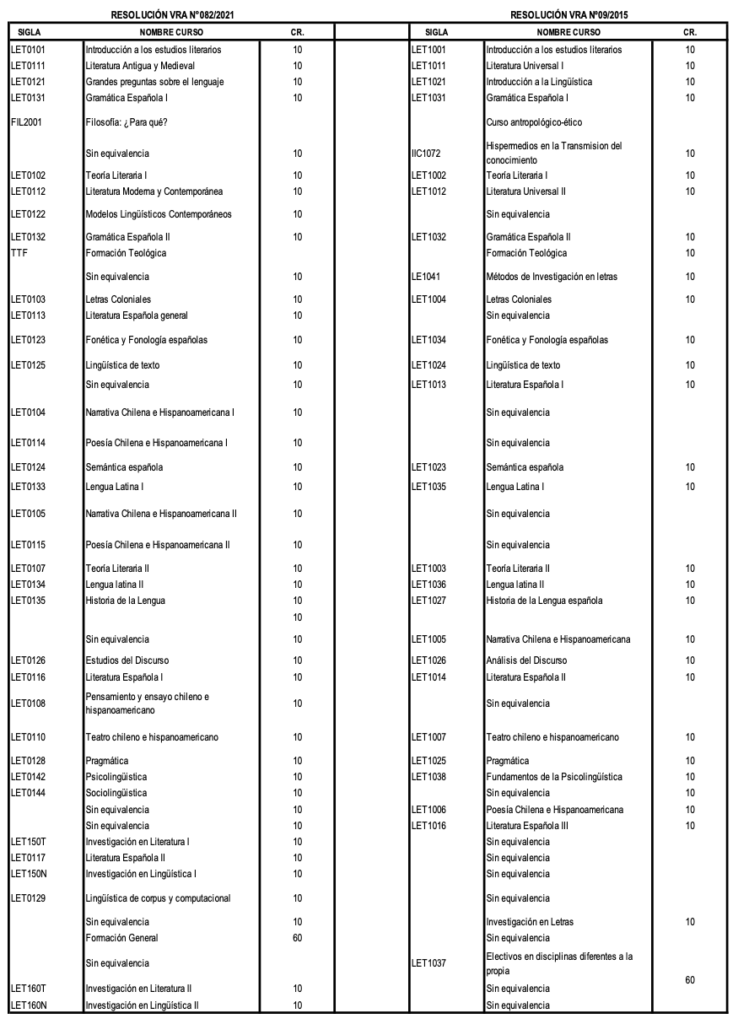
Equivalencias
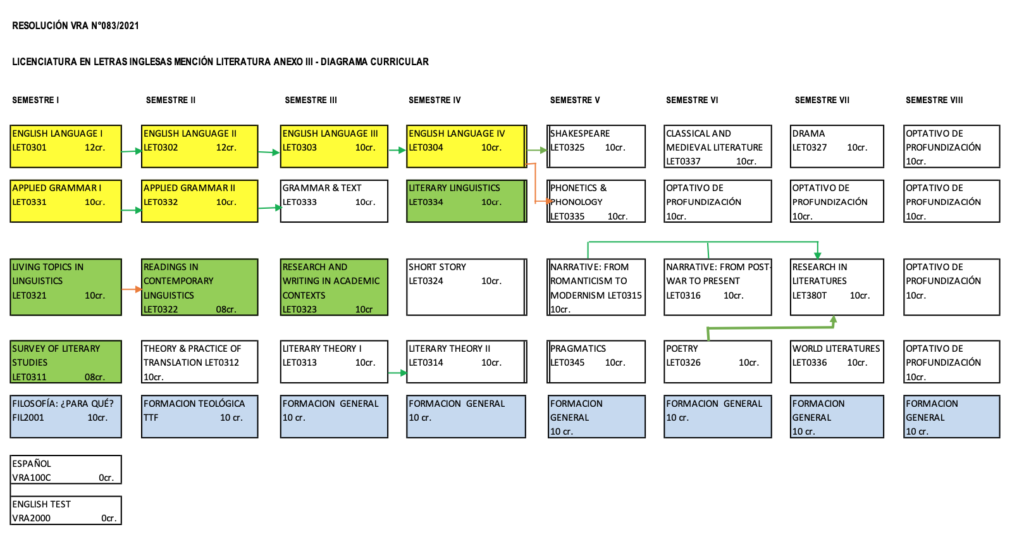
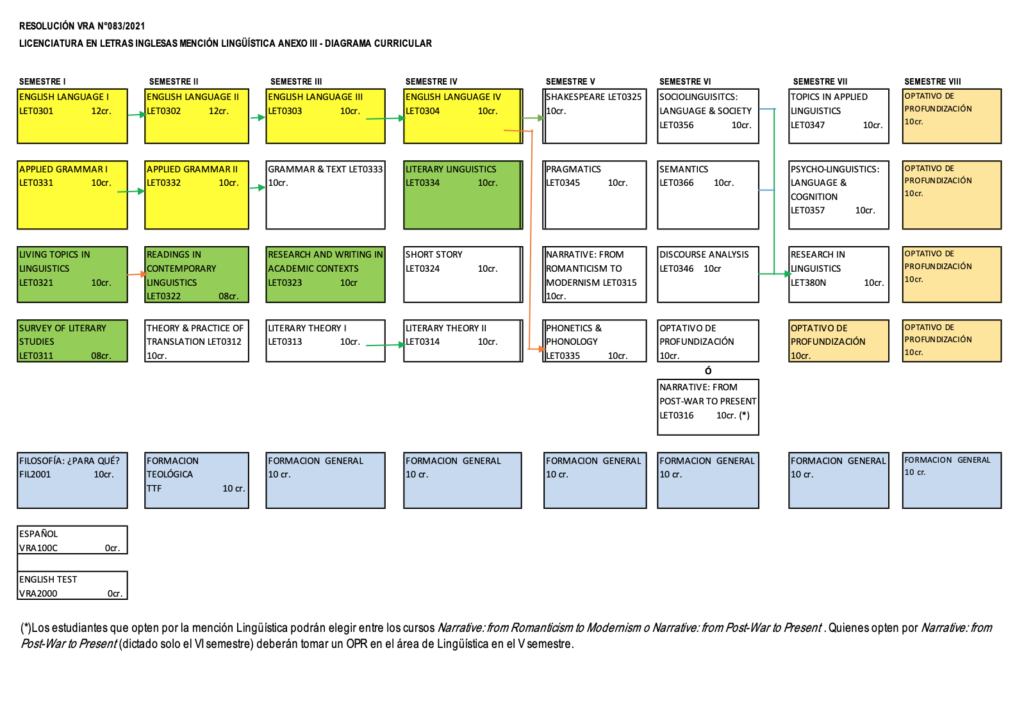
Malla curricular admisión 2022 Letras Inglesas
Ver más keyboard_arrow_downLicenciatura en Letras Inglesas mención Literatura
Licenciatura en Letras Inglesas mención Lingüística
Equivalencias